10 Tips for Optimizing Manufacturing Processes Efficiency

In today's competitive landscape, optimizing manufacturing processes is crucial for success. Efficient operations lead to reduced costs and improved product quality. Companies must focus on maximizing productivity in every phase of their production lines. This journey requires continuous evaluation and adaptation.

Many organizations overlook the importance of small changes. Minor adjustments in workflow can yield significant benefits. However, not every strategy works for every facility. A tailored approach, considering specific challenges, is essential. Reflection on past practices can uncover insights for future improvements.

Manufacturing processes are complex and multifaceted. Each component plays a vital role in overall efficiency. Leaders must embrace innovation and be willing to test new methods. This openness can lead to valuable lessons and growth. Ultimately, achieving efficiency in manufacturing processes demands commitment and strategic insight.

10 Tips for Optimizing Manufacturing Processes Efficiency

Understanding Manufacturing Process Efficiency
10 Tips for Optimizing Manufacturing Processes Efficiency

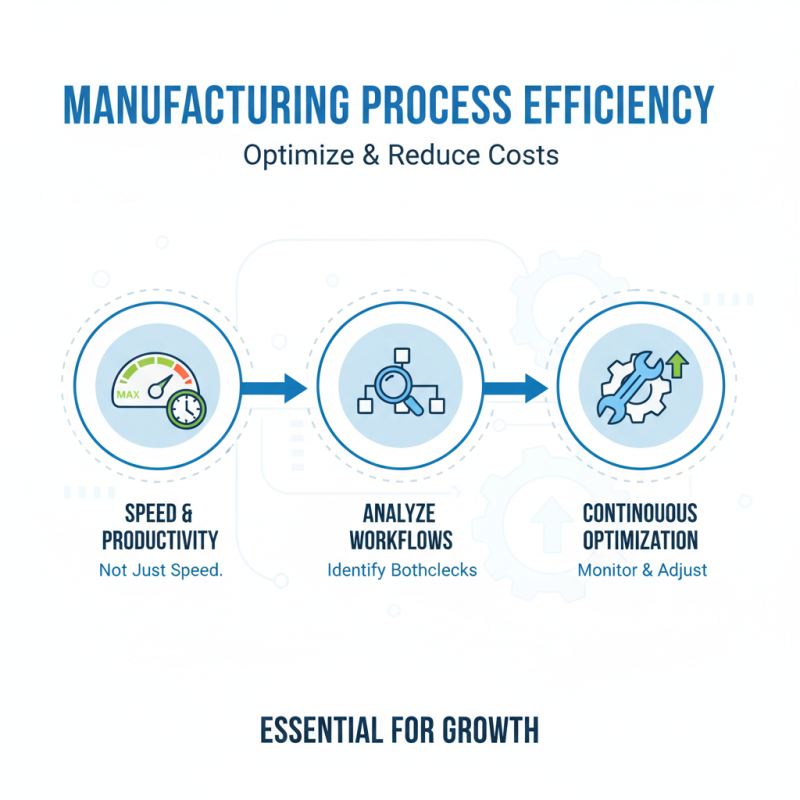
Understanding manufacturing process efficiency is essential for enhancing productivity and reducing costs. Efficiency is not just about speed; it's about optimizing every step in the production line. By analyzing workflows, businesses can identify bottlenecks that hinder progress. Continuous monitoring and adjustments are necessary to maintain optimal operations.

One tip is to integrate automation where possible. Simple tasks can be automated to free up human resources for more complex jobs. Additionally, consider lean manufacturing principles. Reducing waste in materials and time can lead to significant improvements. Encourage a culture of feedback. Employees often have valuable insights into inefficiencies that can be addressed.

Regular training can also enhance skill sets. Well-trained employees can adapt to changes swiftly, reducing downtime. Quality control should be a continuous process, not a final step. This alertness ensures that defects are caught early, enhancing overall efficiency. Reflecting on systems and processes regularly helps identify areas that need improvement. Each adjustment can lead to considerable benefits in the long run.
Identifying Key Areas for Optimization

Identifying key areas for optimization in manufacturing is crucial. Inefficient processes can cost businesses time and money. A 2022 report by the Institute for Supply Management revealed that up to 30% of resources are wasted due to ineffective process management. It’s essential to pinpoint these inefficiencies to improve overall performance.

Streamlining production lines is a vital step. Analyzing workflow and eliminating bottlenecks can lead to significant gains. For instance, implementing just-in-time inventory systems can minimize excess stock. This ensures that materials arrive precisely when needed. A survey in the manufacturing sector showed that companies that adopted lean principles saw a 20% reduction in operational costs.

Another area often overlooked is employee training. Well-trained staff are more efficient and can identify issues before they escalate. In fact, a study by the Manufacturing Institute found that companies with effective training programs experience a 25% increase in productivity. Regular training ensures skills remain relevant. Consider conducting audits to identify knowledge gaps and act on them swiftly.

Implementing Lean Manufacturing Principles

10 Tips for Optimizing Manufacturing Processes Efficiency

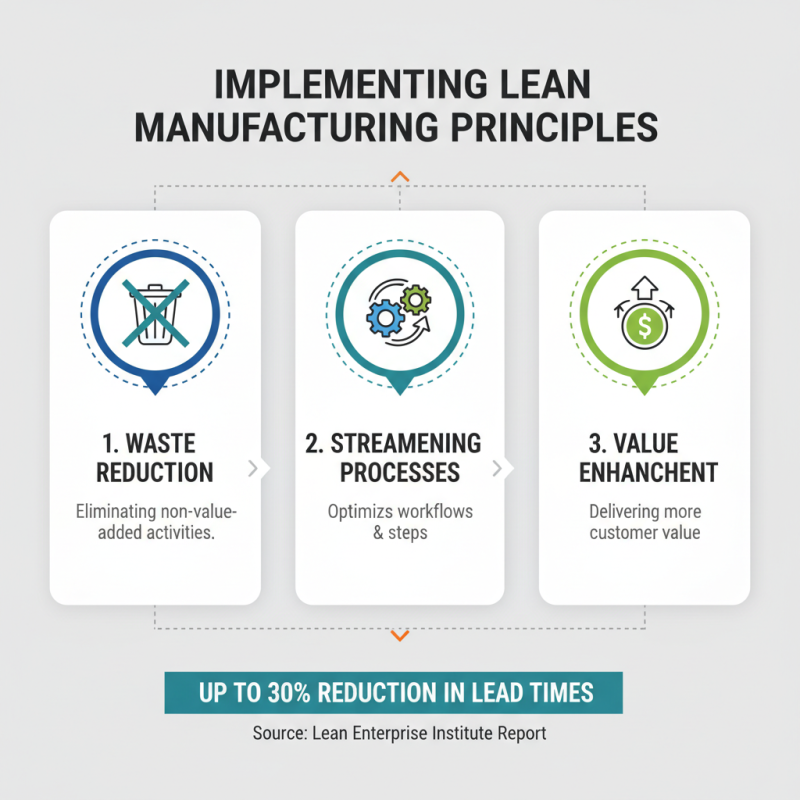
Implementing Lean Manufacturing Principles can significantly improve efficiency. Lean focuses on waste reduction, streamlining processes, and enhancing value. According to a report by the Lean Enterprise Institute, companies adopting Lean principles report up to 30% reductions in lead times.

Visual management tools, like color-coded workstations, help teams identify bottlenecks. For instance, a manufacturer found that a simple visual cue reduced assembly time by 15%. Regular employee training on Lean practices is crucial. Workers must understand the principles to contribute effectively. Yet, many companies overlook this step, leading to stalled improvements.

Data shows that Lean practices can lead to a 20% increase in productivity. However, not all implementations yield immediate results. Some companies struggle with resistance to change. Ownership from all levels is essential to overcome this challenge. Regular reviews and reflections on processes complete the Lean cycle. Identifying ongoing issues is crucial for sustained success.

Utilizing Technology and Automation for Efficiency

In today's fast-paced manufacturing environment, embracing technology and automation is crucial. Smart factories utilize sensors and data analytics to identify inefficiencies. This approach helps streamline production processes and can significantly reduce downtime. Implementing automation in routine tasks frees up human resources for more strategic roles. As a result, teams can focus on innovation rather than repetitive tasks.

However, integrating new technology can be challenging. Workers often need training to adapt to advanced systems. Resistance to change may hinder progress. Continuous communication is essential. It's vital to demonstrate the benefits of automation clearly. Stakeholders should feel empowered to share their concerns. This can foster a culture of collaboration.

Moreover, not every technology yields immediate results. Some may require time to prove their worth. Regular assessments of technology effectiveness are necessary. This allows companies to pivot or optimize their strategies based on real insights. By carefully navigating these challenges, manufacturers can achieve long-term efficiency gains through thoughtful automation.

Measuring and Analyzing Performance Outcomes

Measuring and analyzing performance outcomes is crucial for optimizing manufacturing processes. Start by collecting relevant data on production rates, downtime, and defects. This data provides a clear view of how well processes are performing. Tracking these metrics consistently allows for comparing performance over time. However, relying solely on quantitative data may lead to incomplete insights.

Consider qualitative factors too. Employee feedback can shed light on issues not visible in numbers. Engage with team members to understand their challenges. This interaction often reveals inefficiencies that metrics alone might miss. For example, a machine may show high uptime, but frequent minor adjustments can indicate bigger problems.

Regular review and reflection on these analyses help identify areas for improvement. Perhaps a process seems efficient but lacks flexibility. Or maybe the data suggests high productivity, yet safety incidents are rising. Such discrepancies require careful evaluation. Constantly questioning and adapting based on performance outcomes fosters a culture of continuous improvement.

Manufacturing Process Efficiency Metrics

Scroll to Top