What is an Industrial Engraving Machine and How Does it Work?
Industrial engraving machines play a crucial role in modern manufacturing. They are used to engrave designs and text on various materials, including metal, plastic, and glass. A report from MarketsandMarkets indicates that the global engraving machine market is expected to grow significantly, with a projected compound annual growth rate (CAGR) of 6.9% from 2021 to 2026. This growth is driven by the increasing demand for personalization and precision in production.
David G. Smith, an expert in the field, states, “The advancements in industrial engraving machines are revolutionizing how we approach design and production.” These machines utilize advanced technology to achieve high precision and efficiency. Yet, with these advancements come challenges. Many manufacturers grapple with the complexities of integrating new machines into their workflows.
Moreover, there is a clear need for continual training and adaptation within teams. Industry reports suggest that over 40% of companies face hurdles due to insufficient knowledge on these machines. This highlights the necessity for ongoing education and the importance of understanding how to harness the full potential of industrial engraving machines in enhancing productivity and quality.
What is an Industrial Engraving Machine?
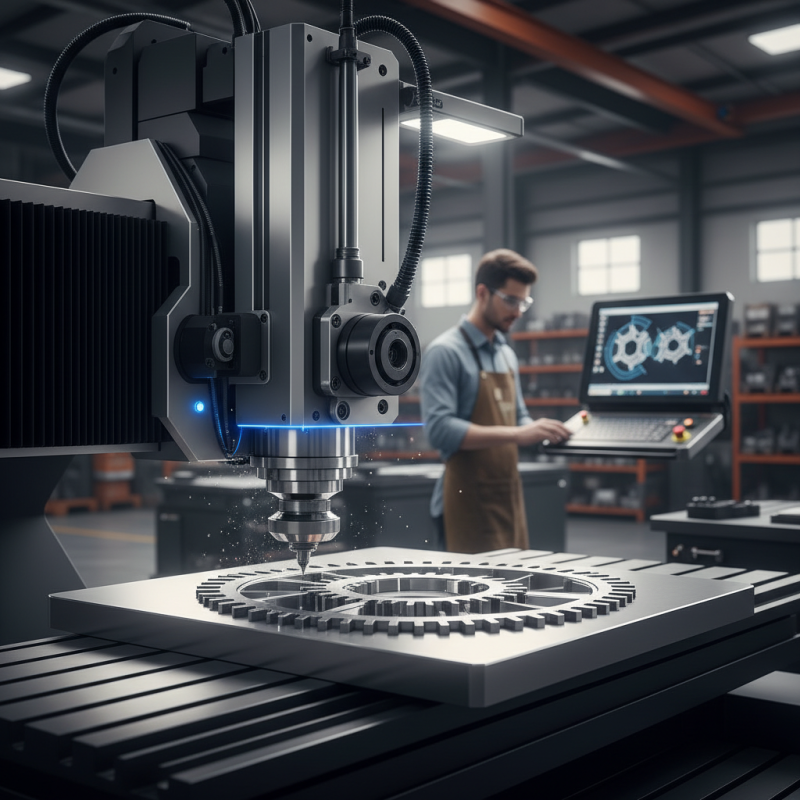
Industrial engraving machines are specialized tools used for marking and designing various materials. These machines can engrave metal, plastic, glass, or wood. According to industry reports, the global engraving equipment market was valued at approximately $3.5 billion in 2022. This figure indicates a steady growth in sectors that demand precise engraving solutions.
The process of engraving involves removing material from a surface to create patterns or text. Various technologies, such as laser engraving and rotary engraving, serve different applications. Laser engraving, for instance, is precise and often used for detailed designs. Industry data suggests that laser engraving accounts for over 60% of the market share, reflecting its popularity. However, the need for skilled operators remains a challenge. Not all users can achieve the desired results without proper training.
One drawback of industrial engraving machines is maintenance. Regular servicing is essential to keep machinery running efficiently. Neglecting this can lead to costly downtime. Reports reveal that companies lose up to 30% of operational productivity due to equipment failure. Therefore, investing in staff training and maintenance protocols is crucial. Proper oversight can prevent mistakes and enhance output quality.
Key Components of an Industrial Engraving Machine
An industrial engraving machine is a vital tool in various manufacturing sectors. It helps create precise designs and intricate patterns on materials. The key components of these machines play a significant role in their functionality.
One of the main components is the engraving head, which houses the cutting tool. This tool can vary based on the material being engraved. Materials like metal require different tools compared to softer surfaces like wood. The engraving head moves with high precision, allowing for detailed work. The movement is controlled by computer software which guides the machine's operations.
Another essential part is the base or frame of the machine. It provides stability during operation, reducing vibrations that could affect the engraving quality. A well-built frame can lead to better outcomes, yet some machines might lack the sturdiness needed. Additionally, a proper cooling system is critical to maintain tool longevity. It prevents overheating during prolonged use. Without adequate cooling, the engraving process can suffer. Understanding these components ensures better decision-making when selecting an engraving machine for specific tasks.
How Does an Industrial Engraving Machine Operate?
An industrial engraving machine operates by utilizing high precision to transfer designs onto various materials. These machines often use a combination of mechanical parts and computerized systems. The engraver moves a tool across the surface, carving out intricate patterns. It can work on metal, wood, or plastic. Each material requires slightly different settings, making it crucial to adjust the machine accordingly.
Understanding the intricacies of operation is vital. The engraving depth can be altered based on the design and material. Getting this wrong may lead to undesirable results. It’s essential to run test engravings before committing to the final piece. This practice can prevent wasted time and materials.
**Tip:** Always keep the engraving area clean. Residue can affect the quality of the finished design. Also, calibrating the machine regularly is a smart habit. This ensures consistent performance, avoiding unexpected errors. Remember, less can be more. Sometimes, overly complex designs can detract from the overall impact. Reflect on this when planning your next project.
Industrial Engraving Machine Usage Data
Applications of Industrial Engraving Machines in Various Industries
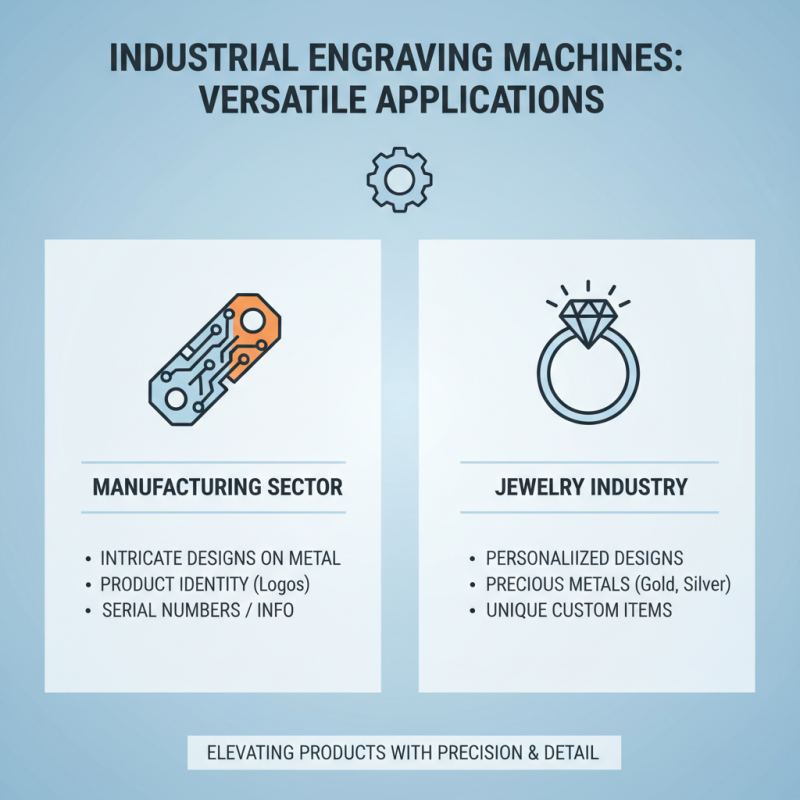
Industrial engraving machines are versatile tools used across various sectors. In manufacturing, they create intricate designs on metal parts. This enhances product identity and provides necessary information, like serial numbers. In the jewelry industry, these machines carve personalized designs into precious metals. Engraving an intricate pattern can elevate a simple piece into a unique item.
In the automotive sector, industrial engraving machines are invaluable. They help mark components for identification and quality assurance. This process is crucial for tracking parts in assembly lines. Even in the electronic industry, these machines engrave codes on circuit boards, ensuring traceability.
Despite their utility, challenges remain. The engraving process can produce flaws, especially with intricate designs. Operators must be meticulous to avoid mistakes. Calibration and maintenance of the machines are essential but can be time-consuming. The balance between efficiency and precision often raises questions about operational effectiveness.
Advantages of Using Industrial Engraving Machines over Traditional Methods
Industrial engraving machines have transformed the manufacturing landscape. They provide significant advantages over traditional engraving methods. Research indicates that these machines can increase productivity by up to 40%. This efficiency stems from their ability to operate continuously and with precision.
Using a laser or rotary engraving method, these machines achieve intricate designs with minimal human intervention. Traditional methods often result in inconsistencies and require extensive manual labor. In contrast, modern machines can replicate designs flawlessly. A report from the International Journal of Industrial Engineering states that automated engraving reduces errors by 30%. This reduction not only saves time but also enhances quality control.
However, transitioning to industrial machines isn’t without challenges. The initial investment can be substantial. Smaller companies might struggle to justify the costs. Additionally, operators need training to harness the technology effectively. Despite these hurdles, the long-term benefits of industrial engraving machines often outweigh the drawbacks. Their ability to adapt to various materials further highlights their versatility and potential in modern manufacturing.
What is an Industrial Engraving Machine and How Does it Work? - Advantages of Using Industrial Engraving Machines over Traditional Methods
| Feature |
Industrial Engraving Machines |
Traditional Methods |
| Speed |
High, capable of engraving multiple pieces in a short time |
Slow, requires manual work and more time for each piece |
| Precision |
Very high, with automated processes that ensure accuracy |
Variable, dependent on the skill of the operator |
| Cost Efficiency |
Generally lower per unit at scale due to automation |
Higher, especially for larger production runs |
| Material Compatibility |
Can handle a wide range of materials, including metals, plastics, and wood |
Limited to certain materials depending on the engraving tool used |
| Design Flexibility |
Easily adaptable to complex designs and custom requests |
More rigid, difficult to adapt quickly for different designs |