What is Graphite Electrode Used For in Manufacturing?
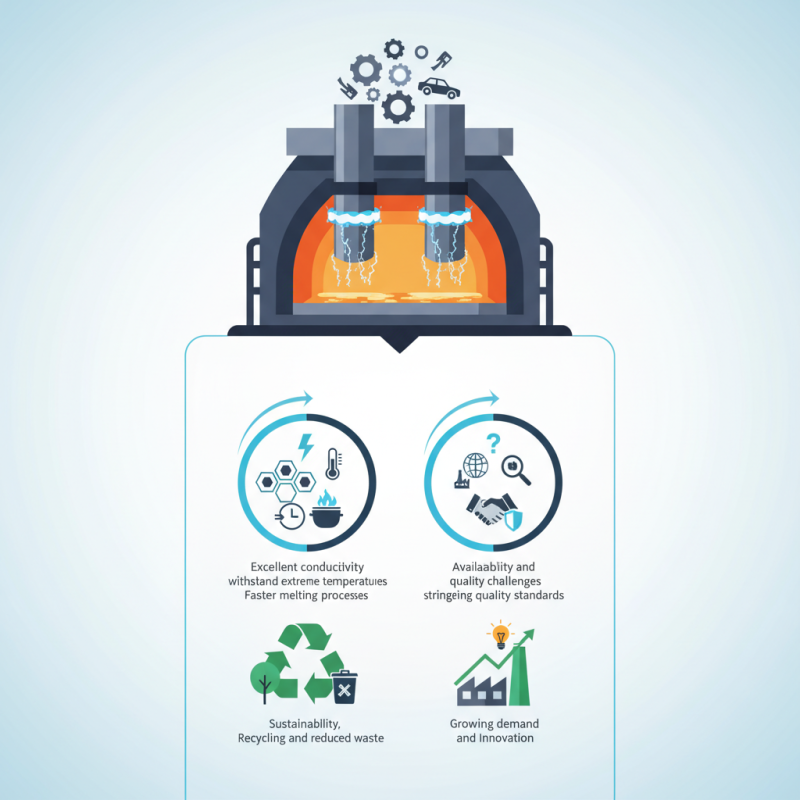
Graphite Electrodes play a crucial role in modern manufacturing. They are essential components in electric arc furnaces, which recycle steel and produce high-quality metals. These electrodes can withstand extreme temperatures while providing excellent conductivity. Their unique properties make them valuable in various industrial applications.
Manufacturers rely on graphite electrodes for efficient production. The material's ability to conduct electricity efficiently allows for faster melting processes. However, the reliance on these electrodes presents challenges. Availability and quality can vary, affecting overall production efficiency. Companies must ensure their suppliers meet stringent quality standards.
In the evolving manufacturing landscape, understanding the applications and limitations of graphite electrodes is vital. They contribute to sustainability by enabling recycling and reducing waste. As industries innovate, the demand for high-quality graphite electrodes continues to grow, highlighting their significance in today’s manufacturing ecosystem.
Applications of Graphite Electrodes in Electric Arc Furnaces
Graphite electrodes play a critical role in the manufacturing processes of electric arc furnaces (EAF). These electrodes are essential for melting scrap metal and producing steel. The high electrical conductivity of graphite allows for efficient energy transfer during the melting process. Each electrode can withstand high temperatures, making it suitable for the intense conditions within the EAF.
In practical terms, a significant portion of the global steel production relies on EAF technology. This method recycles various steel scrap grades. Graphite electrodes facilitate the necessary heat generation to melt this scrap, transforming it into molten steel. However, the consumption rate of these electrodes is a concern. Frequent replacement can lead to increased operational costs. Manufacturers must analyze electrode degradation over time.
Adapting to this dynamic, innovations in graphite electrode production are underway. Researchers are exploring materials that could reduce wear and extend electrode life. The balance between cost-effectiveness and electrode performance remains a complex challenge. Industry experts recognize the need for ongoing improvements to meet growing global demands.
Role of Graphite Electrodes in Secondary Steel Production
Graphite electrodes play a crucial role in secondary steel production. These electrodes are essential for electric arc furnaces (EAF), where scrap metal is melted. The graphite's high electrical conductivity ensures efficient energy transfer during this process. In an EAF, the electrodes have to withstand extreme temperatures exceeding 1,600°C. This environment tests their durability and performance.
One key aspect to consider is the sourcing of graphite electrodes. The quality of graphite affects the melting process. Poor quality can lead to longer production times and increased costs. Manufacturers must focus on selecting electrodes that maintain structural integrity under intense conditions. Additionally, the growing demand for sustainable steel production forces manufacturers to rethink their electrode choice.
Reflections on the role of graphite electrodes highlight challenges in performance and sustainability. Repeated use can lead to wear and damage, prompting the need for frequent replacements. This cycle can strain budgets and impact production efficiencies. Continuous research aims to enhance the life span and effectiveness of these electrodes. By addressing these issues, steel producers can foster better practices in their manufacturing processes.
Importance of Graphite Electrodes in Foundries and Metal Casting
Graphite electrodes are essential in foundries and metal casting. Their high conductivity is crucial for melting metals efficiently in electric arc furnaces. According to industry reports, global demand for graphite electrodes is anticipated to reach 1.2 million tons by 2027. This growth is primarily due to the increasing use of recycled metals, where graphite electrodes play a significant role.
In foundries, these electrodes enable the precise temperature control needed for various metal alloys. The melting process requires sustained high temperatures, often exceeding 1500°C. Graphite electrodes can withstand these extreme conditions without degrading. Despite their advantages, the production of graphite electrodes faces challenges. Supply chain issues and raw material sourcing can limit availability and increase costs.
Environmental concerns also warrant reflection. The manufacturing processes of graphite electrodes can produce emissions that impact air quality. Many manufacturers are exploring ways to reduce their carbon footprint. This ongoing transition highlights an industry balancing efficiency and sustainability. As technology advances, the future of graphite electrodes may also evolve, addressing these persistent issues.
Advancements in Graphite Electrode Manufacturing Technologies
Graphite electrodes play a vital role in manufacturing, particularly in electric arc furnaces. Recent advancements in manufacturing technologies have pushed the boundaries of their performance and efficiency. For instance, world production of graphite electrodes exceeded 1.5 million tons in 2022, driven by the demand from the steel and aluminum industries. Improved manufacturing processes have not only increased output but also enhanced the quality of electrodes, leading to longer service life in high-temperature environments.
Techniques such as automation and real-time monitoring are revolutionizing electrode production. Precision equipment is now standard in factories, allowing for tighter tolerances and better material consistency. According to industry reports, the implementation of automated manufacturing lines has reduced production costs by up to 20%. Still, challenges persist. Some manufacturers report issues with sourcing high-quality raw materials, which are crucial for producing reliable electrodes. The need for better resource management and sustainable practices has become increasingly apparent.
Investments in R&D are crucial for tackling these challenges. New composite materials are being explored to improve thermal conductivity and mechanical strength. A study from a leading industry research group indicates that future innovations could result in electrodes with up to 30% enhanced performance. However, finding the right balance between cost and quality remains a complex challenge. The industry continues to seek solutions that address these pressing concerns while meeting the growing demand for superior manufacturing capabilities.
Environmental Impact and Sustainability of Graphite Electrodes in Use
Graphite electrodes play a crucial role in manufacturing, especially in electric arc furnaces for steel production. However, their environmental impact deserves careful consideration. The production process of graphite electrodes involves high energy consumption and significant carbon emissions. According to industry studies, producing one ton of graphite electrodes can emit approximately 1.3 tons of CO2. This raises concerns about sustainability amidst rising global temperatures.
The sourcing of raw materials for these electrodes also impacts the environment. Natural graphite mining can lead to habitat destruction and water pollution. A report by the International Energy Agency highlights that 30% of graphite used in electrodes comes from unsustainable sources. As demand for electric vehicles and renewable energy systems grows, securing sustainable materials becomes vital.
Tips:
1. Consider sourcing graphite from suppliers who prioritize eco-friendly practices.
2. Evaluate alternative materials that may reduce carbon footprints.
3. Engage in recycling efforts to manage electrode life cycles effectively.
These reflections guide manufacturers to balance operational needs with environmental stewardship. Continuous innovation in production techniques and material usage can pave the way for a sustainable future.
What is Graphite Electrode Used For in Manufacturing? - Environmental Impact and Sustainability of Graphite Electrodes in Use
| Application | Description | Environmental Impact | Sustainability Measures |
| Electric Arc Furnaces (EAF) | Used for melting scrap metal to produce steel. | Can generate dust and emissions during operation. | Implementing dust collection systems and using clean energy sources. |
| Aluminum Production | Used in the production of aluminum through electrolysis. | Potential for perfluorocarbons (PFCs) emissions. | Investment in technology to minimize PFC emissions. |
| Graphite Manufacturing | Used as a raw material in the production of specialized graphite products. | Manufacturing processes can produce hazardous waste. | Recycling waste materials and adhering to environmental regulations. |
| Batteries | Used as an anode material in lithium-ion batteries. | Mining and processing of graphite can impact ecosystems. | Sourcing from sustainable mines and advancing recycling methods. |
