What is CNC Metal Processing and Its Applications in Modern Manufacturing?
CNC metal processing has transformed modern manufacturing. This technology allows precise metal shaping with minimal human error. John Smith, a prominent expert in the CNC metal industry, once stated, "CNC metal processing is revolutionizing how we think about fabrication."
Manufacturers can achieve complex designs that were impossible before. CNC machines can work with various metals, including aluminum, steel, and brass. The efficiency of these machines reduces production time significantly. However, reliance on technology raises concerns about job loss in traditional manufacturing roles.
While CNC metal processing improves accuracy, it also presents challenges. Companies must invest in training for skilled operators. Additionally, maintenance of CNC machines is crucial to ensure optimal performance. As the industry evolves, it is essential to reflect on balancing innovation with human skill.
Understanding CNC Metal Processing: An Overview of Techniques
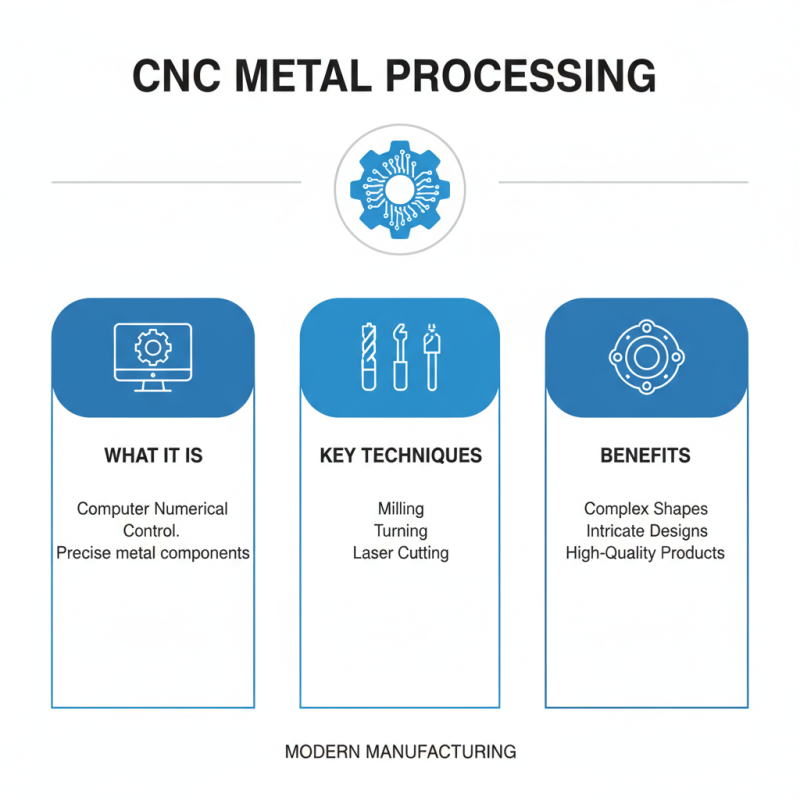
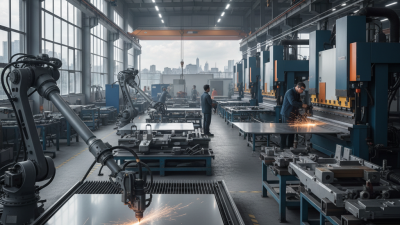
CNC metal processing is a fascinating field in modern manufacturing. It employs computer numerical control to create precise metal components. This method allows for complex shapes and intricate designs that are often impossible to achieve with traditional machining. Techniques include milling, turning, and laser cutting. Each method serves unique purposes, resulting in high-quality products.
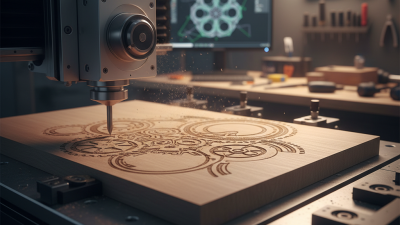
Milling is a common technique. It removes material from a workpiece using rotating cutters. The result can be very detailed parts for various industries. Turning, on the other hand, shapes metal by rotating it against a cutting tool. This leads to cylindrical shapes often used in machinery. Laser cutting offers speed and precision. However, it may require additional finishing steps.
While CNC processes are efficient, they aren't without flaws. For instance, the initial setup can be time-consuming, and programming errors can occur. Not all materials respond the same way to CNC techniques. Some metals may warp during machining, leading to waste. Thus, it’s important to carefully evaluate each project. It's a blend of art and technology, with room for learning and improvement.
Historical Development of CNC Metal Processing in Manufacturing
CNC metal processing has transformed manufacturing since its inception. The journey began in the 1950s, when numerical control systems were first introduced. Early machines were simple and limited in function. However, advancements in computer technology quickly changed the landscape. By the 1970s, CNC machines could perform complex tasks with higher precision.
Reports estimate that the CNC market will reach $100 billion by 2025, reflecting its importance. The applications of CNC in industries like aerospace and automotive are vast. Components are now produced with exceptional accuracy, reducing waste and increasing efficiency. Yet, challenges remain. Many manufacturers struggle with skill gaps among workers. This is a critical issue that can impact productivity.
Additionally, while CNC offers consistency, it requires a significant upfront investment. Small businesses may hesitate to adopt this technology. The learning curve for new users can be steep. Thus, while CNC metal processing is revolutionary, it prompts ongoing reflections on resource allocation and training. Maximizing its benefits necessitates continuous learning and adaptation within the workforce.
CNC Metal Processing Applications in Modern Manufacturing
Key Advantages of CNC Metal Processing in Modern Production
CNC metal processing has revolutionized modern manufacturing. This technology allows for high precision and efficiency in production. According to a report by MarketsandMarkets, the CNC machine market is projected to reach USD 100 billion by 2025, showing a significant demand. The ability to produce complex parts quickly gives manufacturers a competitive edge.
The advantages of CNC metal processing are numerous. One key benefit is the reduction of material waste. Traditional methods often lead to excess scrap. However, CNC machines can optimize material use, lowering costs. Additionally, they enhance consistency in production. A study by Deloitte highlights that companies using CNC technology report up to a 20% increase in productivity.
Despite these advantages, some challenges exist. The initial investment for CNC machines can be high. Smaller businesses might struggle with financing. Training employees to operate CNC machines also requires time and resources. This transition can sometimes lead to workplace tension. Finding a balance between technology and workforce needs is crucial for success.
What is CNC Metal Processing and Its Applications in Modern Manufacturing?
| Application Area |
Material Used |
Key Advantages |
Production Speed (units/hour) |
Typical Tolerance (mm) |
| Aerospace Components |
Aluminum Alloys |
High Precision, Lightweight |
50 |
0.01 |
| Automotive Parts |
Steel |
Durability, Customization |
100 |
0.05 |
| Medical Devices |
Titanium |
Biocompatibility, Strength |
30 |
0.02 |
| Industrial Machinery |
Cast Iron |
High Rigididity, Wear Resistance |
20 |
0.1 |
| Electronics Housing |
Aluminum |
Lightweight, Thermal Conductivity |
80 |
0.03 |
Industry Applications: CNC Metal Processing Across Various Sectors
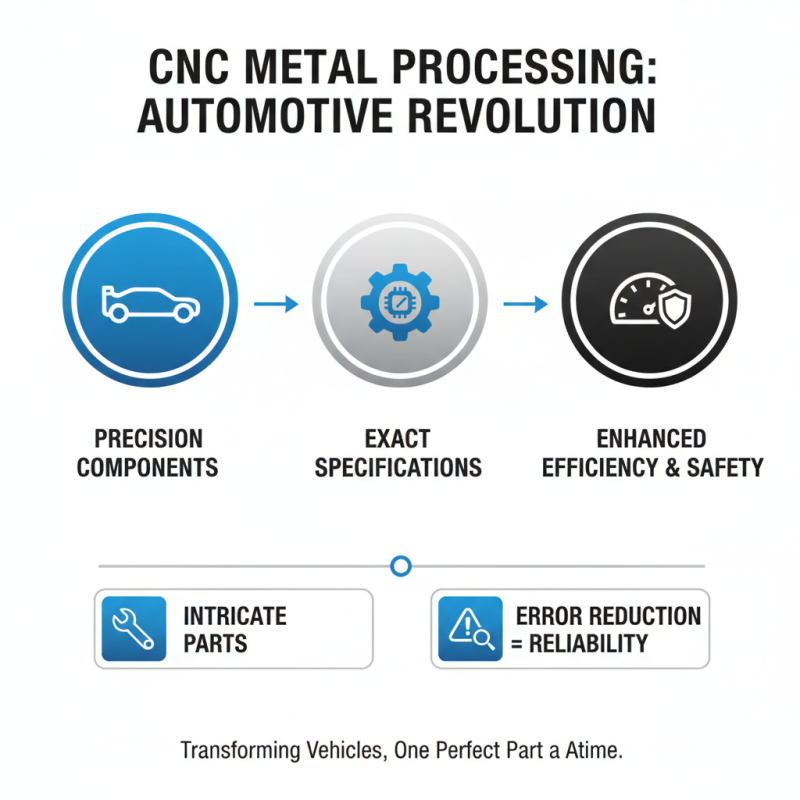
CNC metal processing is revolutionizing various industries. In automotive manufacturing, precision is crucial. Components must fit perfectly. CNC machining helps create intricate parts with exact specifications. This boosts efficiency and safety in vehicles. Every tiny detail matters. Even a slight error can lead to serious issues.
In aerospace, CNC metal processing is crucial for producing lightweight components. These parts need to withstand extreme conditions. Every piece is meticulously crafted. However, sometimes, the technology faces challenges. Complex designs can lead to longer production times. It requires constant adjustment and optimization to meet precision standards.
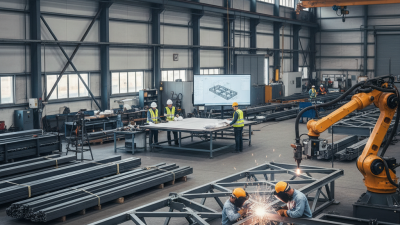
Construction also benefits from CNC technology. Steel beams and frames are cut with high accuracy. This ensures structural integrity. Yet, there are limitations. Large pieces can be difficult to handle. Teams must ensure proper logistics. Each sector harnesses CNC processing in unique ways. It shapes the future of manufacturing.
Future Trends: Innovations Shaping CNC Metal Processing Technologies
CNC metal processing has transformed modern manufacturing. As technology evolves, new innovations emerge. These trends significantly affect efficiency and precision in production. One exciting development is the integration of artificial intelligence (AI) into CNC machines. AI can analyze production data in real time, enabling adjustments to improve output quality.
Another innovation is the use of advanced materials. New alloys and composites are becoming commonplace. These materials offer greater strength and durability, reducing wear and tear on machinery. However, adapting to these materials presents challenges. Not all CNC machines can handle the unique properties of new composites.
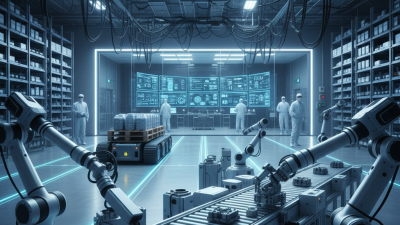
The rise of automation is notable as well. Collaborative robots, or cobots, can work alongside human operators. This partnership enhances productivity but also raises concerns about job displacement. Manufacturers must balance technology adoption with workforce needs. Continuous evaluation and reflection on these changes are essential for sustainable growth in CNC metal processing.