In today's fast-paced business environment, manufacturing automation is not just an option; it's a necessity. According to industry expert Mark Johnson, "Embracing manufacturing automation transforms efficiency and quality." His insights underline the critical role that automation plays in modern production.
Manufacturing automation streamlines processes, reduces human error, and enhances productivity. Companies can quickly adapt to changing demands, ensuring that they remain competitive. However, this shift also raises challenges. Workers may fear job loss due to automation. This concern prompts a need for reskilling, which can be a complex transition.
Despite its benefits, implementing manufacturing automation is not without its hurdles. The initial investment is significant, and some businesses struggle with integrating new technologies. It's vital for companies to weigh these factors carefully. The path to automation is still evolving, and reflection on its impact is essential for making informed decisions.
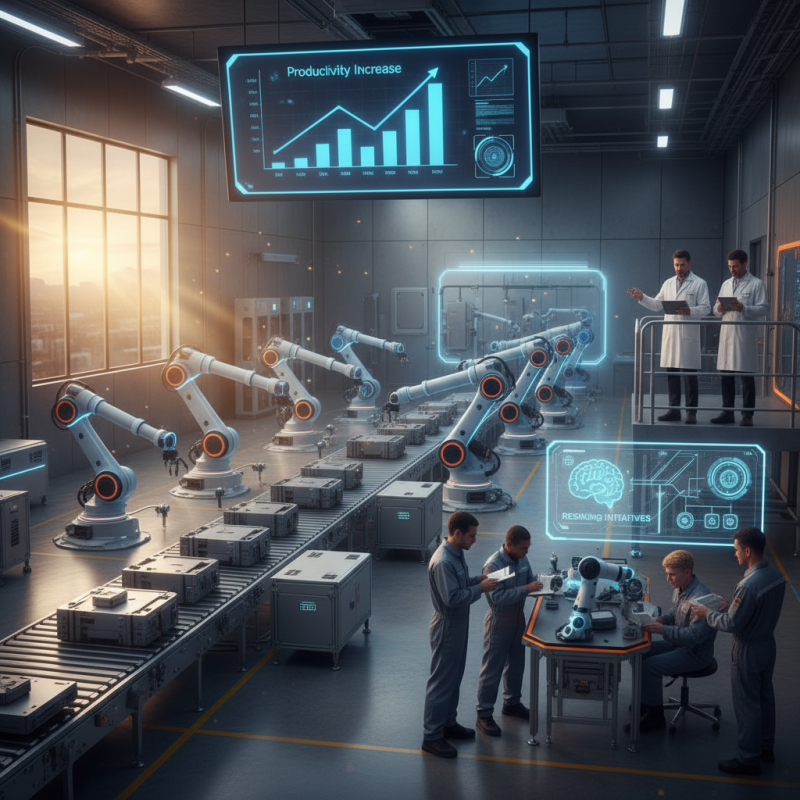
Manufacturing automation refers to the use of technology and systems to streamline production processes. This transition is not just about replacing human labor. It’s a shift towards efficiency and precision. According to a report by McKinsey, companies that implement automation can improve productivity by up to 30%. This statistic highlights the potential for substantial operational improvements.
Despite these benefits, the journey to automation can present challenges. Many businesses grapple with initial costs and the retraining of their workforce. A survey by Gartner found that 56% of manufacturers identify skills gaps as a barrier to automated solutions. Balancing technology and human talent remains a critical task for leaders. Automation is not merely a quick fix; it requires thoughtful integration into existing operations.
Furthermore, the evolving landscape demands that companies remain adaptable. Automated solutions may not fit every scenario. A study from Deloitte indicates that 40% of manufacturing firms struggle to identify the right processes for automation. This reflects a broader need for strategic planning. Continuous assessment of technologies and their impact on employees will be crucial for long-term success.
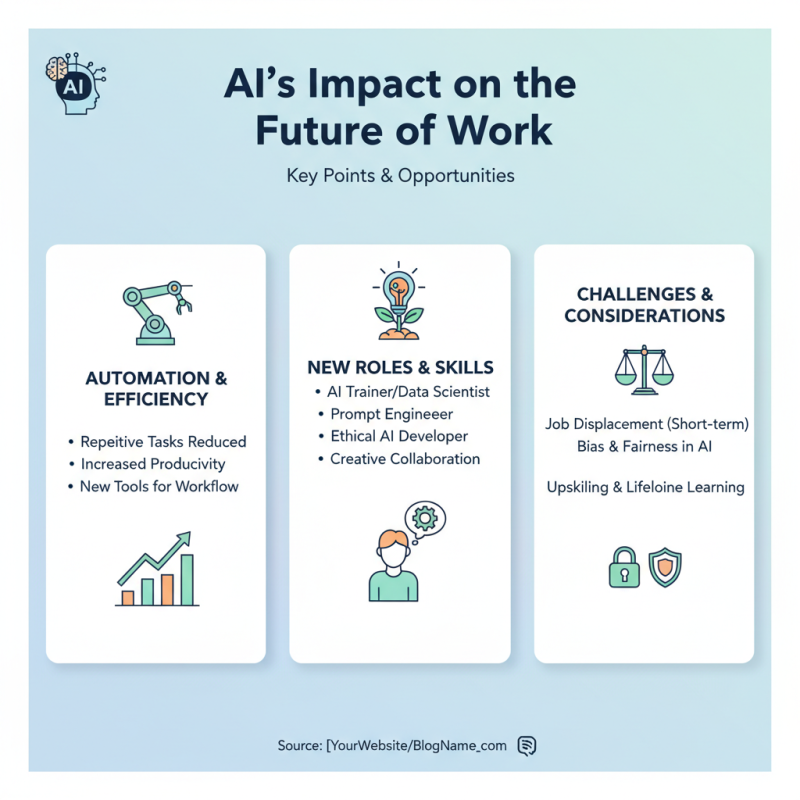
Manufacturing automation has become a game-changer for many companies. By streamlining production processes, businesses can significantly increase their efficiency. According to the International Federation of Robotics, automated systems can enhance production speed by up to 30%. This increase can be crucial when meeting high-demand scenarios. However, the integration may require initial adjustments that some teams find challenging.
The benefits of automation extend beyond speed. Studies indicate that automation can improve product quality by reducing human error. A report from McKinsey states that automation can lead to a 50% decrease in defect rates. Despite these advantages, companies must address skill gaps among employees. Workers may need training to adapt to new technologies. This transition can sometimes cause frustration among teams, revealing a need for effective management.
While embracing automation, it's essential to consider the maintenance of these technologies. Downtime for repairs can offset the efficiency gains. According to industry reports, around 20% of operational time may be lost due to unplanned maintenance. Thus, continuous investment and learning are vital for maximizing the benefits of automated systems. Businesses must find a balance between automation and human touch in production.
This chart illustrates the key benefits of manufacturing automation for modern businesses. The data highlights how automation significantly increases efficiency, reduces costs, and improves product quality, among other advantages.
Manufacturing automation is revolutionizing how businesses manage costs. One significant benefit is the reduction of labor expenses. According to a 2022 McKinsey report, companies that implement automation can reduce labor costs by up to 30%. This is particularly crucial in industries with tight profit margins. The integration of robotic systems cuts down on the need for manual labor. Workers can be retrained for higher-level tasks, optimizing human capital.
Operational expenses also see notable reductions. A study by the International Federation of Robotics showed that automated systems can lower operational costs by around 25%. This is largely due to increased productivity and fewer errors. With automation, processes become more efficient, and waste decreases. However, companies must be cautious of the initial investment in technology. Many businesses struggle to balance initial costs with long-term savings. As automation grows, the need for skilled workers increases, posing challenges to current workforce capabilities.
Despite these benefits, some companies may face resistance to change. Employees may fear job losses, leading to potential morale issues. Implementation of automation requires proper training and communication. Organizations need to navigate these complexities to ensure a smooth transition while maximizing the benefits of automation.
Enhanced quality control is a key benefit of manufacturing automation. Automation systems monitor every stage of production. They ensure each product meets set standards. This leads to improved product consistency. Companies can reduce errors and defects significantly. The technology provides real-time data, allowing for quick adjustments.
However, relying heavily on automation can also raise concerns. Not all automated systems are infallible. A minor software glitch can lead to widespread issues. Regular updates and maintenance are crucial. Companies must also train staff to manage these systems effectively. Training can be time-consuming and sometimes ineffective.
Despite these challenges, the advantages of enhanced quality control are clear. Automation helps maintain high standards. It reduces variability in product quality. Yet, businesses should remain vigilant. Monitoring automated systems closely ensures that quality control does not slip. Balancing technology with human oversight is vital for success.
In today's fast-paced market, flexibility and scalability are crucial for businesses. Manufacturing automation offers the ability to quickly adjust production processes. This means companies can respond swiftly to changing customer demands. With automated systems, production lines can be reconfigured with minimal downtime. This adaptability is a game-changer.
Consider implementing modular automation solutions. They can easily be scaled up or down depending on project requirements. Investing in technology that allows for quick changes can save time and resources. Remember, maintaining some manual input can provide insights that purely automated systems might overlook. Balancing automation with human oversight can enhance production outcomes.
Training staff to use automated systems efficiently is essential. Well-trained employees can better manage disruptions and maintain productivity. Additionally, seek constant feedback from your team. They can offer valuable perspectives on the automation processes. Reflect on both successes and areas for improvement to ensure ongoing adaptability and growth.
| Benefit | Description | Impact on Businesses |
|---|---|---|
| Increased Productivity | Automation enhances production speed and efficiency. | Higher output leads to increased revenue potential. |
| Cost Reduction | Minimizes labor costs and reduces waste through precision. | Improves profit margins and operational efficiency. |
| Improved Quality Control | Consistent performance leads to fewer defects. | Enhances customer satisfaction and brand reputation. |
| Greater Flexibility | Easily adapt production lines to changing demands. | Allows quick response to market trends and customer needs. |
| Enhanced Safety | Machines handle dangerous tasks, reducing workforce injury. | Promotes a safer workplace environment. |
| Data Collection and Analysis | Automation systems gather real-time data for analysis. | Informs decision-making and strategic planning. |
| Supply Chain Optimization | Seamlessly integrates with supply chain management. | Improves inventory management and order fulfillment. |
| Sustainability | Reduces resource consumption through efficient operations. | Aligns with corporate social responsibility goals. |
| Scalability | Easily scale production up or down as needed. | Facilitates growth and adaptation in dynamic markets. |
| Employee Satisfaction | Reduces mundane tasks, allowing focus on value-added work. | Enhances employee morale and retention rates. |
Manufacturing automation is transforming modern businesses by enhancing operational efficiency and reducing costs. By streamlining production processes, companies can increase output while minimizing labor and operational expenses. As a result, businesses experience improved quality control, as automation allows for greater consistency in product standards, further strengthening their market position.
Moreover, manufacturing automation offers flexibility and scalability, enabling businesses to adapt swiftly to changing market demands. This adaptability not only supports growth but also enhances workplace safety by minimizing potential hazards associated with manual labor. Overall, the benefits of manufacturing automation are significant, making it a vital element in the modern industrial landscape.
Arsun Engineers is the well-known manufacturer, exporter, and supplier of highly operational machines.